
With less than two months to the midterms, the Supreme Court stopped the Postal Service from enforcing new mail-ballot limits nationwide, freezing a high-stakes fight over who controls the rules of voting by mail.
Story Highlights
- The Supreme Court left a nationwide block on the Postal Service’s mail-ballot rule in place.
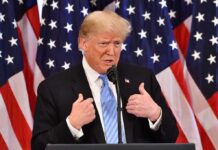
- President Trump’s executive order sought tighter checks before ballots move through the mail.
- States and voting groups argue the rule risks rejecting lawful ballots at scale.
- The Postal Service says it built a portal to share recipient lists with states.
What the Court Did and Why It Matters Now
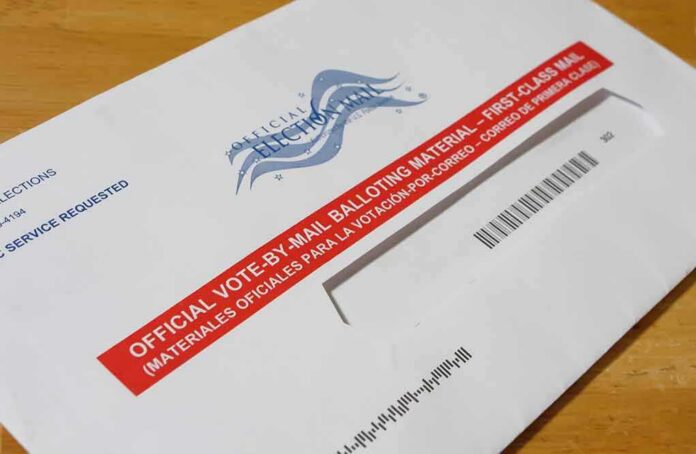
The Supreme Court denied the administration’s emergency bid to let the Postal Service enforce a new mail-ballot rule before November. The order keeps a lower court’s nationwide injunction in place. That means normal mail-ballot processes continue this cycle. The Court did not decide the full case. It only ruled on emergency relief. The timing matters. Ballots go out soon. Election offices need stable rules to print, sort, and track them at scale.
Lower courts found the Postal Service’s final rule likely unlawful, at least for now. Judges said federal agencies cannot refuse to carry lawful mail without clear authority from Congress. Plaintiffs argued the rule barred delivery when a voter’s name did not appear on new state lists uploaded to a federal system. The injunction prevents the Postal Service from using that standard for this election cycle while the case continues on the merits.
What the Administration Sought to Change
President Trump issued an executive order in March directing tighter controls on mail ballots. The administration later asked the Supreme Court to approve “sweeping” changes. It argued the Postal Service needed to verify addressees and ballot design before acceptance to stop misdirected or ineligible mailings. The stated goal was to reduce ballots sent to wrong addresses and prevent waste or fraud. The request set up a rare clash over election logistics weeks before voting.
The Postal Service also developed a Federal Ballot Mail Portal. The agency said the portal would give election officials a simple, secure way to share lists of people set to receive ballots by mail. A public statement said work on the system followed court orders during the injunction. The agency described the project as months in the making, not a rush job, and framed it as a data-sharing tool to improve accuracy and accountability in outbound ballot mail.
The Pushback From States and Voting Groups
Democratic-led states and several voting rights groups sued to block the rule. They warned the policy would stop delivery of ballots to eligible voters who were not on new lists, or whose batches did not meet strict scanning checks. They argued the rule would upend established state procedures and risk mass rejections of lawful mailings. Courts agreed, at least for the short term, that the risk of harm before November outweighed the government’s case for fast changes.
A whistleblower complaint added fuel to those concerns. The complaint alleged the Postal Service built the portal too quickly and adopted a “zero-percent failure” batch policy during testing. Under that claim, a single mismatch in a large batch could trigger rejection of the entire mailing. The Postal Service said it was reviewing the allegations and maintained it complied with court orders. Lawmakers requested records to confirm how the system was designed and tested.
The Bigger Question: Who Sets the Rules for Mail Voting?
This clash fits a broader pattern. Fights over mail voting often turn on who has the power to set standards. One side frames tighter checks as basic safeguards. The other sees those same checks as barriers that could block valid votes. Courts become the referee when rules change close to an election. Here, judges emphasized stability and statutory limits on federal agency power, especially when states already run elections under their own laws.
Pres Trump must invoke a National Election Security Emergency that mirrors the entire Save America Act and more to counter SCOTUS treasonous ruling against USPS tracking mail in ballots to make sure that only US citizens vote. SCOTUS is allowing rigged elections to continue.
— MJ12527 (@Joanne12527) September 19, 2026
For voters across the spectrum, the stakes are plain. People want secure elections and also want their legal votes to count. Many are tired of last-minute rule flips that sow doubt and confusion. The Court’s move does not settle the long-term debate. It simply pauses new federal limits for this year. The larger fight over mail-ballot policy, data sharing, and who gets to decide the rules will carry on after the midterms in full court proceedings.
Sources:
nbcnews.com, cnn.com, reuters.com, blumenthal.senate.gov, supremecourt.gov, congress.gov, jurist.org