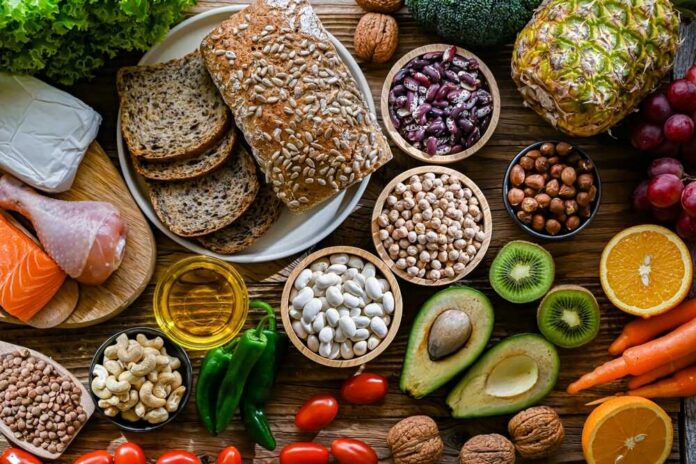
Americans managing diabetes are being bombarded with “healthy carb” hype, but the real danger is simpler: the wrong carbs can quietly drive blood-sugar spikes that wreck your health and your budget.
Quick Take
- Major health sources broadly agree that fiber-rich, minimally processed carbs tend to raise blood sugar more slowly than refined grains and added sugars.
- The glycemic index helps rank carbs by how quickly they raise blood glucose, but portion size and preparation still matter.
- Common “better carb” picks across guides include beans/lentils, oats, berries, sweet potatoes, and certain whole grains like quinoa.
- For many families, the most practical takeaway is a grocery strategy: swap refined staples for whole-food options that are affordable and consistent.
Why “Healthy Carbs” Became a Flashpoint for Everyday Americans
Health publishers and public agencies have spent years pushing lists of “healthiest carbs for blood sugar,” largely aimed at people with diabetes or prediabetes. The core message is consistent: carbohydrate quality matters, and fiber-heavy foods tend to digest more slowly than refined products. In 2026, that advice lands in a tough economy where families are already squeezed by food prices, and avoidable health costs feel like another tax.
Several mainstream guides emphasize that the goal is not chasing a trendy label but controlling blood glucose swings. For readers trying to stay disciplined, the most useful frame is practical: pick carbs that come with fiber, water, and nutrients—then keep portions steady. That approach also cuts through confusion created when “healthy” gets used as marketing, especially on ultra-processed products that still behave like sugar once they hit your system.
What the Glycemic Index Can—and Can’t—Tell You
The glycemic index (GI) ranks carbohydrate foods by how quickly they raise blood sugar compared to a reference food. Low-GI foods are generally associated with a slower rise, while higher-GI choices can spike glucose faster. Even so, GI is not a magic shield: cooking methods, food combinations, and serving size can shift the real-world impact. People tracking blood sugar often find that consistency beats perfection, especially when meals are built around whole foods.
That nuance matters because Americans are often handed oversimplified rules—“carbs bad” or “carbs fine if they’re on a list.” The stronger takeaway from reputable guidance is that refined carbs are the primary problem, not whole-food carbohydrates eaten in reasonable portions. When a carb choice also adds protein or fiber—like beans or oats—it tends to slow digestion and blunt the glucose surge that can lead to cravings, fatigue, and harder-to-control eating later.
The Short List Most Sources Keep Coming Back To
Across diabetes-focused and general nutrition guides, the overlap is striking. Legumes such as lentils and beans show up repeatedly because they deliver fiber and are inexpensive compared with many “health” foods. Berries are often highlighted for their lower sugar load compared with many desserts and sweet snacks, while still offering fiber and micronutrients. Whole grains—especially less processed forms like oats—and options like quinoa also appear frequently as better swaps than white bread or sugary cereals.
Sweet potatoes are another common recommendation, often positioned as a better choice than highly processed potato products. The key distinction is not a political talking point or a fad—it’s processing. A plain sweet potato is a different metabolic experience than a bag of chips or a sugary baked good. For readers who want a rule they can actually live with, “whole and recognizable” beats “diet-branded” almost every time, especially when you’re feeding a family on a schedule.
Where Readers Should Be Cautious: Portions, Processing, and “Health Halo” Foods
Even when a carb is considered “better,” portion size can turn a smart choice into a blood-sugar problem. Some foods sit in a middle zone—tolerable for many people in modest servings but risky when eaten like comfort food. Preparation also matters: the more a food is processed or broken down, the faster it may digest. That’s why steel-cut oats and intact grains are often treated differently than instant versions loaded with sweeteners.
Americans trying to protect their health also deserve straight talk: “healthy carb” lists can’t replace personal monitoring, especially for people with diabetes. Individual responses vary, and anyone on glucose-lowering medication needs to be careful about big diet changes. But the larger pattern holds: building meals around fiber-rich staples tends to be both cheaper and more predictable. In an era where many voters are tired of being lectured by institutions, clear guidance that respects real life goes further.
A Practical Grocery Strategy That Doesn’t Require a Lifestyle Overhaul
The most actionable move is a simple swap strategy. Replace one refined carb at a time—white bread, sugary snacks, refined pasta—with a whole-food option you’ll actually eat consistently, like beans, oats, berries, or a baked sweet potato. Pair carbs with protein and healthy fats to slow digestion, and keep an eye on serving sizes. That kind of discipline aligns with basic common sense: fewer crashes, fewer cravings, and fewer costly complications later.
Limited data is available beyond general consensus guides and nutrition summaries, and none of these sources claim a single definitive “top 10” list applies to everyone. What they do show is a broad agreement on direction: prioritize fiber, minimize processing, and treat portion size as part of the deal. For many Americans, that’s a rare piece of advice that’s both realistic and empowering—because it’s something you can control without waiting on Washington.
Sources:
https://www.adwdiabetes.com/articles/ten-favorite-carbs-diabetes
https://www.healthline.com/nutrition/12-healthy-high-carb-foods
https://www.baptisthealth.com/blog/recipes/what-are-the-healthiest-carbs
https://www.health.harvard.edu/healthbeat/a-good-guide-to-good-carbs-the-glycemic-index
https://www.cdc.gov/diabetes/healthy-eating/choosing-healthy-carbs.html
https://www.webmd.com/diabetes/diabetic-food-list-best-worst-foods
https://www.diabetes.org.uk/living-with-diabetes/eating/carbohydrates-and-diabetes